

Pentesting
With a pentesting We simulate a real attack against your systems to test how far an intruder could go. Afterward, you receive a clear report with the risks prioritized and how to resolve them.

Red Team
An exercise in Red Team It tests your entire organization—not just the technology, but also the people and processes. This way, you can see if your company would detect and stop an attack in time.

Vulnerability analysis
With a vulnerability analysis We scan your computers, servers, and network to find security vulnerabilities and outdated software. This allows us to fix them before they become an entry point for attacks.

Pentest web
We check the security of your website, online store, or app to prevent fraud and service outages. You also reduce the risk of customer data theft.
The Apen method: an improvement plan, not just a report
- Scope and authorization: We define with you what is reviewed, on what dates and with what limits.
- Controlled test: Our specialists search for and verify faults without interrupting your activity.
- Clear report: We explain the results to you without technical jargon and ordered by priority.
- Improvement plan: We help you correct every mistake, with more than 35 years of experience supporting SMEs.

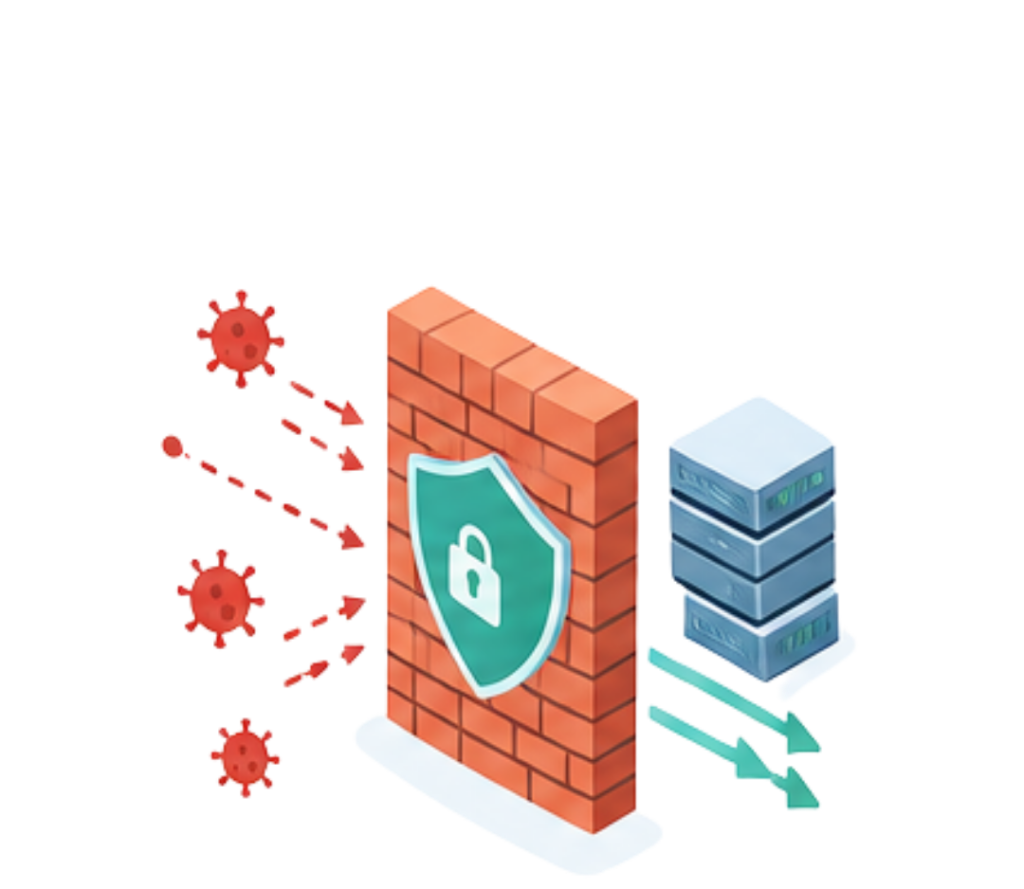
The most reliable way to know if your company is protected
Ethical hacking involves attacking a company's systems, with its prior authorization, to discover vulnerabilities and correct them before a cybercriminal can exploit them. Many small and medium-sized businesses (SMEs) assume their antivirus or firewall is sufficient for protection.
However, according to the INCIBE's assessment Published in February 2026, the report states that 122,223 cybersecurity incidents were handled in Spain in 2025, a 26.1% increase over the previous year. Furthermore, SMEs continue to be a primary target, as they tend to have fewer security measures in place. For example, a weak password, an outdated server, or a poorly configured website can be enough to open the door to ransomware or a customer data breach.
Depending on what you need to check, one type of test or another is more suitable. Vulnerability analysis periodically reviews computers, servers, and networks to locate known vulnerabilities. Penetration testing goes a step further: it attempts to exploit those vulnerabilities to test how far an attacker could penetrate. pentest web It focuses on your website, online store or application, and the Red Team puts the entire company to the test, including people and processes.
Furthermore, ISO 27001, the National Security Framework, and the NIS2 directive require managing technical vulnerabilities and verifying that security measures are effective. Therefore, documented ethical hacking evidence is one of the clearest ways to demonstrate this to an auditor or a client who requires guarantees. Ethical hacking is part of our cybersecurity services for businesses. Not sure which test your company needs? If so, Apen's free diagnostic is the first step. Call us on 938 606 220 or fill out the contact form.