Our news
What is ERP software for SMEs and why does your company need it?
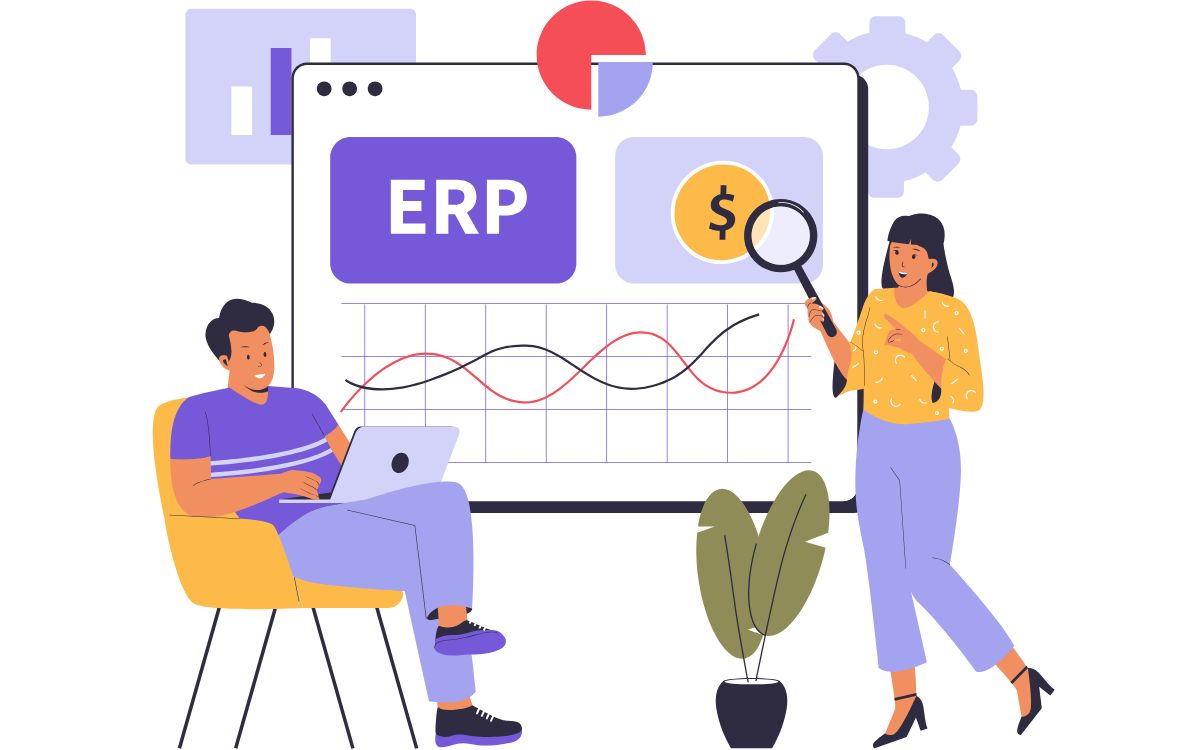
Many small and medium-sized businesses still manage their operations with spreadsheets, disconnected programs, or manual processes. Implementing ERP software for SMEs is the most effective solution to eliminate this problem: duplicate data, wasted time, and decisions based on incomplete information.
Therefore, implement a3ERP for SMEs It's the most effective solution to end this problem. But what exactly is an ERP and how can it transform your company?
What is an ERP and what is it used for?
ERP stands for Enterprise Resource Planning, that is, enterprise resource planning. It is a software system that integrates all of a company's business processes into a single platform: sales, purchasing, accounting, inventory, human resources, production, and much more.
Instead of having one program for invoicing, another for accounting, and another for inventory management, an ERP system centralizes all the information. When an invoice is generated, the stock is automatically updated, and the transaction is recorded in the accounting system without manual intervention. Everything is connected and available in real time.
Advantages of an ERP for a small or medium-sized business
Historically, ERP systems were solutions reserved for large corporations. Today, thanks to SaaS (software as a service) models, SMEs can access the full power of an ERP at affordable costs and without needing their own infrastructure.
The main advantages for an SME are:
- Preparation for compliance with tax obligations, such as the future mandatory electronic invoice.
- Elimination of duplicate tasks.
- Centralized and accessible information.
- Reduction of human error.
- Greater financial visibility to make better decisions.
- Integration with external consulting.
What modules should an ERP for SMEs have?
Not all ERP software for SMEs is the same, nor do they all offer the same features. When choosing, look for a solution that includes, at least:
- Sales and billing management.
- Accounting and treasury.
- Purchase and supplier control.
- Warehouse and inventory management.
- Human resources and payroll.
- Reporting and management reports.
The a3ERP software, distributed by Apen, is a modular solution that allows SMEs to contract only the modules they need and expand them as the business grows.
Furthermore, it connects directly with the advisory service, which greatly facilitates the relationship between the company and the manager.
Cloud ERP vs. On-premises ERP: Which is better for an SME?
The trend is clear: the cloud is gaining ground. A cloud ERP like a3innuva doesn't require its own servers, updates automatically, and allows you to work from anywhere.
This is especially valuable for companies with remote employees or multiple locations.
Furthermore, the subscription-based payment model eliminates large upfront investments, making an ERP system affordable for businesses of any size from day one.
How to implement an ERP in my company?
Implementing an ERP system is a process that requires planning, but it doesn't have to be traumatic.
With a trusted technology partner like Apen, the process includes a preliminary analysis of your company's needs, customized system configuration, team training, and ongoing support after implementation.
If you want to know if an ERP is the right solution for your company, request a personalized, no-obligation demo through our contact page.
Frequently Asked Questions
What is an ERP for SMEs?
An ERP (Enterprise Resource Planning) is a business management system that integrates the different areas of a company, such as sales, purchasing, accounting, inventory, human resources and billing, into a single platform.
What is ERP software used for?
Its main objective is to centralize information and automate processes to improve operational efficiency, reduce errors, and facilitate decision-making based on up-to-date data.
What advantages does an ERP offer to an SME?
Its main benefits include the elimination of duplicate tasks, process automation, access to real-time information, greater financial visibility, and better coordination between departments.
Is an ERP necessary for a small business?
Yes. Although traditionally associated with large companies, there are now solutions tailored to small businesses that help improve organization and prepare the business for sustainable growth.
What problems does an ERP solve?
An ERP helps avoid data duplication, errors resulting from manual processes, lack of communication between departments, and difficulty in accessing reliable and up-to-date information.
What modules should an ERP for SMEs include?
At a minimum, it should include sales and invoicing management, accounting, purchasing and suppliers, inventory control, human resources, and reporting tools.
Can an ERP be customized to meet the needs of the company?
Yes. Many ERP solutions are modular, allowing you to contract only the necessary functionalities and incorporate new modules as the company grows.