
WHAT IS VIRTUALIZATION?
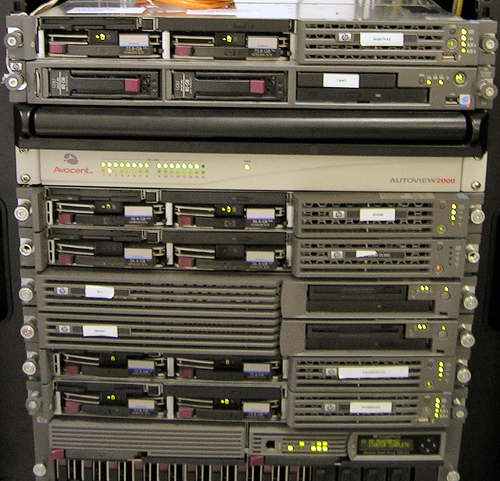
Virtualization is a technology that allows the creation of useful IT services using resources traditionally tied to hardware. This enables the full capacity of a physical machine to be leveraged by distributing its capabilities among many users or environments.
In more practical terms, if you have three dedicated physical servers—one a mail server, one a web server, and the last running internal applications—each server is operating at approximately 301% of its capacity, only a fraction of its potential. Since the applications remain critical to your internal operations, you should retain them and the third server that hosts them.
Given this, it was easier and more reliable to run individual tasks on individual servers: 1 server, 1 operating system, 1 task. Giving a single server multiple brains wasn't easy. But with virtualization, you can divide the mail server into two separate servers that can handle independent tasks, allowing applications to migrate. It's the same hardware, just using more of it more efficiently.
Although virtualization technology dates back to the 1960s, it wasn't widely adopted until the early 2000s. The technologies that enabled the virtualization, Systems like hypervisors were developed decades ago to give multiple users simultaneous access to computers performing batch processing. Batch processing was a popular computing style in the business sector that executed routine tasks thousands of times very quickly.
However, virtualization didn't become widespread until 1990, when most businesses had physical servers and IT stacks from a single vendor, preventing legacy applications from running on hardware from a different vendor. As businesses upgraded their IT environments with less expensive, basic servers, operating systems, and applications from a variety of vendors, they were forced to use underutilized physical hardware. This led to the need for virtualization.
Virtualization then came to solve two major problems: companies could divide their servers and run legacy applications on various types and versions of operating systems, so servers began to be used more efficiently, which reduced the costs associated with purchase, configuration, cooling and maintenance.
Virtualization also helped reduce vendor lock-in and became the foundation of the cloud. Today, it's so commonplace in businesses that specialized virtualization management software is often needed to help keep track of everything.
There are different types of virtualization, such as data virtualization, where data is distributed across different parts to consolidate into a single source. This allows companies to treat data as a dynamic supply.