
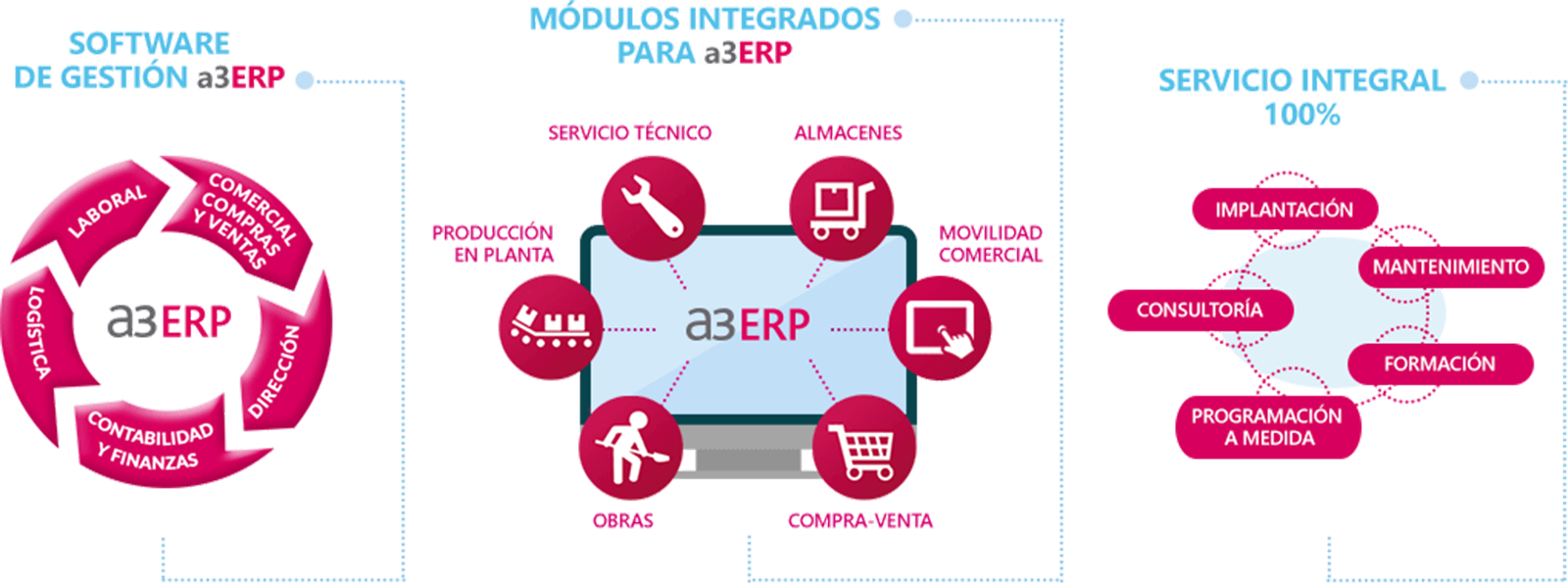
A cloud-based ERP has several advantages over versions that do not use the cloud, as it allows users to access data running on shared computing resources via the Internet, increasing the company's effectiveness.
Cloud-based ERP allows users to access enterprise resource planning software from anywhere, which is especially useful for businesses with remote workers who need to travel and access data instantly or who work in multiple locations. Cloud-based ERP typically has much lower upfront costs than other options because computing resources are rented on a monthly basis rather than purchased and maintained on-premises.
Cloud ERP also gives businesses access to their business-critical applications anytime, anywhere. While technically the only difference between cloud ERP and on-premises ERP is where the software is physically located, there are other significant differences.
Cloud-based ERP is particularly useful for small and medium-sized businesses (SMEs) because it provides access to fully featured applications at a reasonable price without substantial upfront investment in hardware and software. With the right cloud provider, a company can quickly scale its enterprise productivity software as its business grows or a new company is added.
Cloud-based ERP has been shown to reduce costs in many ways because it: avoids the upfront costs of all IT infrastructure, such as hardware and data servers; reduces IT support services because the data center provides the necessary help and attention; eliminates upfront payment for application software licenses in favor of a monthly fee; and reduces the cost of maintaining and supporting those applications, as the cloud provider handles updates and upgrades.
But in addition to costs, there are other benefits to cloud-based ERP. For example, each company will only pay for the necessary computing resources, with a fixed monthly fee, allowing them to use their cash for other business initiatives.
Furthermore, they can leverage cloud-based ERP applications faster since there's no need to install hardware and software on servers or user devices. The ability to adjust the amount of cloud service as a company's computing or storage needs fluctuate is a significant advantage for businesses looking to expand, along with providing a long-term solution.