









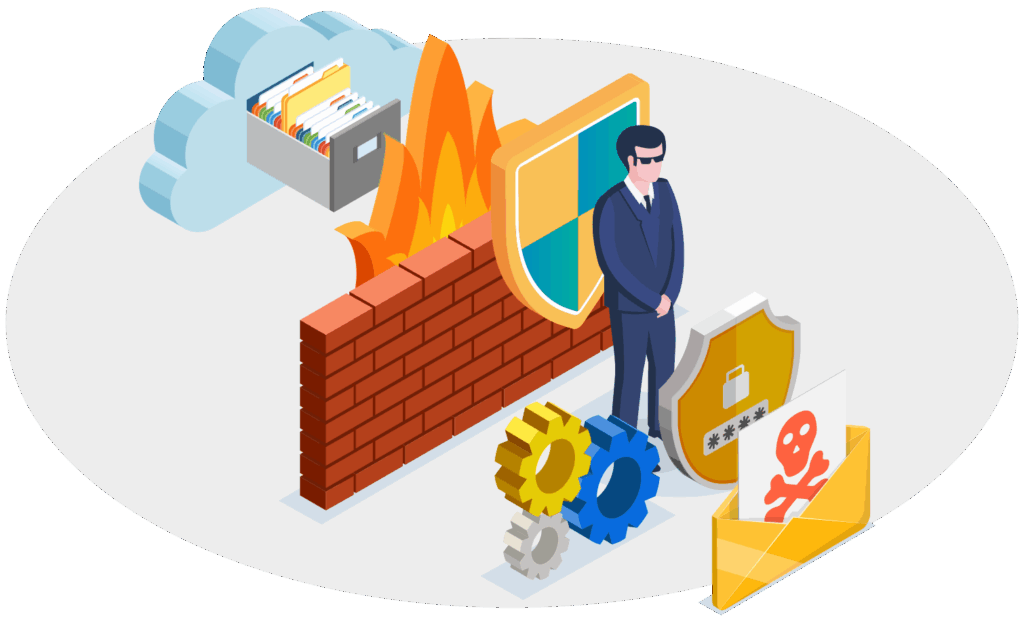
A cybersecurity expert is someone trained to protect everything related to cybersecurity, safeguarding information from theft, duplication, and unauthorized access. Their work focuses on finding risks and weaknesses in systems that cybercriminals could exploit.
Cybersecurity experts are responsible for protecting information on computer networks, cloud servers, mobile devices, and paid software, to name a few. They analyze where these risks lie and develop strategies to prevent breaches.
A cybersecurity expert must understand the information they need to protect in order to determine the most appropriate security measures for the type of information and be able to explain the security measures taken to the company's employees or the person who owns the equipment.
It is essential that the cybersecurity expert be able to identify potential security risks, in order to design defensive strategies and systems against intruders, define monitoring systems for unusual activities (for example, unauthorized access, modification, duplication or destruction of information), execute counterattack protocols and report incidents.
The identification phase will always be very important, as it establishes the foundation for implementing effective policies on how to protect systems.
The cybersecurity expert must then develop a plan to protect all systems and networks, limiting or containing the impact of cybersecurity events. This involves protection through the use of Identity and Access Management (IAM) solutions, database security technologies, staff training, and other safeguards.
The cybersecurity expert will also be responsible for the timely detection of incidents so they can be prevented or resolved quickly. This includes recognizing anomalies or events in the system and networks as they occur and verifying the effectiveness of the protective measures used to respond to these activities.
Response is vital to the work of a cybersecurity expert, as it encompasses all the appropriate activities necessary to take action against detected cybersecurity incidents. This is an essential component when containing potentially devastating attacks as they are discovered, and it includes managing communications during and after events with response teams while driving the analysis, mitigation activities, and technologies needed to resolve the issues.
Next comes recovery, where all the necessary activities are carried out to restore any capacity or service in the event of a catastrophic event or large-scale disruption. This includes implementing recovery planning processes, training procedures, and teams that will drive recovery efforts and implement improvements based on lessons learned from new events and recovery initiatives. This will also help you be better prepared for future disruptions and establish better prevention systems. That's why it's essential to rely on cybersecurity experts to avoid bigger problems.