
Our news
Advantages of a virtual server
What is a virtual server?
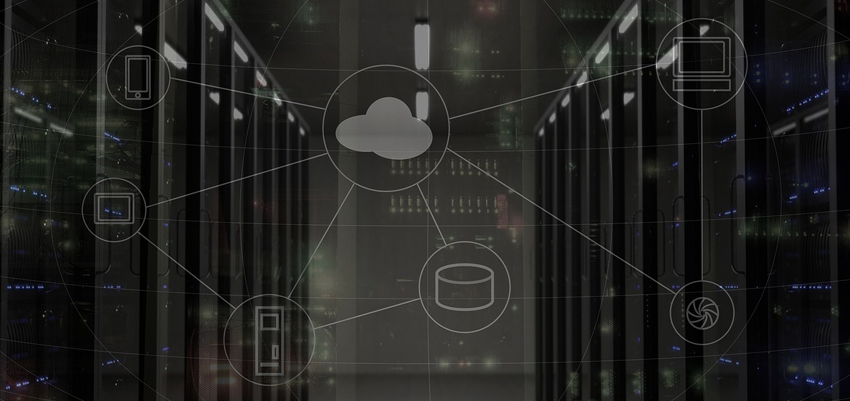
A physical server is composed of several virtual servers where each of the virtual servers operate independently, are capable of running their own operating system, each server can be restarted independently and this partition is as if it were a single machine, which allows supporting large-scale operations such as billing.
How the virtual server works
Virtual servers help businesses store and manage their resources without needing a physical infrastructure. These servers offer great adaptability, allowing you to be flexible and expand the service during longer work periods. To ensure the server meets the company's needs, you can choose the processor, hard drive, RAM, and even the operating system.
Benefits of a virtual server
Cost reductionCompanies that offer virtual server services are able to offer more economical prices than acquiring your own physical server, thanks to their large customer base. Despite their high investment in large machines, their large customer base ultimately reduces the average cost.
CustomizableA server can be configured according to the capacity one needs, adapting the RAM and hard drive.
Easy data recoveryThese types of servers usually have backup services, storing backup copies of the data that the virtual server has.
ScalableVirtual servers are physical machines where you use a small part of that machine; if more capacity is needed, it can be easily expanded.
They will be in the hands of professionals: The people who manage this data are professionals, which allows them, thanks to their greater knowledge, to manage all possible problems that may arise with the server in a safe and efficient manner without damaging the company's information.
We could say that the virtual servers These are very useful tools because they allow many functions and capabilities, including even administrator access at a very affordable price.