
WHAT IS A SAI?
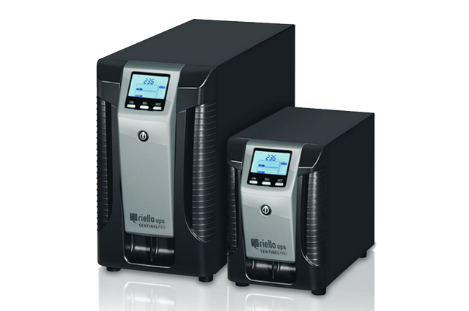
A UPS, short for Uninterruptible Power Supply, is a device that ensures the proper functioning of equipment when the power supply fails. It protects connected devices and keeps them running for a limited time during brief power outages, which can be caused by voltage drops, power surges, tripped circuit breakers, etc.
This is thanks to the use of a battery that activates when it detects a loss of electricity, providing enough time to store our data and continue operating while the problem is being resolved.
Features of a UPS
A UPS is about the size of a small computer, but it contains a large battery, which makes it heavier than the computer itself. As for the connections, most models use IEC power inputs, which are different from the standard household Schuko outlets.
Problems that a UPS solves
- Voltage surges or drops: Any surges above 110% or a drop below 85%
- Supply interruption: Possible external electrical problem that is usually external due to repairs in the surrounding area.
- Electrical noiseVoltage changes that can affect devices connected to the power supply
SAI Classes
We found three types of UPS, each of which provides different functions; we can distinguish between them:
- OfflineThis is the simplest model, and its use is declining due to its limited functionality compared to others. It lacks protection against voltage fluctuations and is therefore not currently recommended. In the event of a power failure, the device begins generating its own power, resulting in a brief interruption of a few milliseconds, which poses a risk to more sensitive devices.
- In-lineThis model is more comprehensive than the previous one and is one of the most widely used because it features filters that address a wide range of issues, from voltage surges and drops to noise. It even generates its own power supply in the event of a power outage. It provides basic protection at an affordable price. Recommended for computers, servers, and small to medium-sized devices.
- On-line: It's the most complete device. It's a model designed for servers that operate around the clock, requiring maximum stability and security. The batteries charge simultaneously with the power supply. In case of failure, there's no downtime. The main drawback is that the batteries are constantly working, resulting in more frequent replacements.
A crucial aspect of choosing a UPS is understanding the power consumption of the devices it will connect to. This allows you to determine the total wattage required to power those devices—the actual wattage needed for them to operate. From there, you can select a UPS with the correct power output, always allowing a 15-201 TP3T margin.