
WHAT IS A CPU?
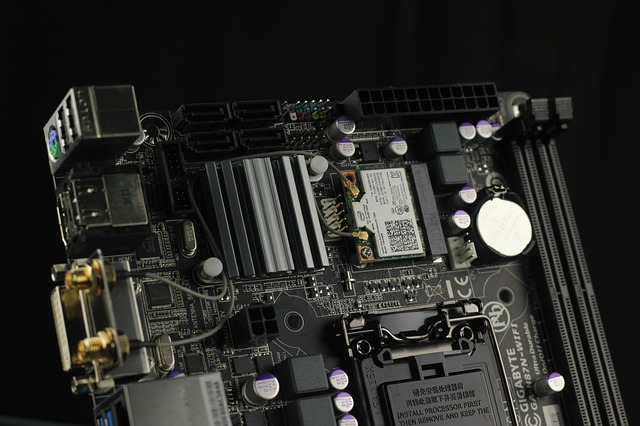
It is the Central Processing Unit, or Central Processing Unit, that is, the brain of any PC, from which all the main commands that generate the functions in the CPU are controlled and originate. The term CPU is defined as a device for the execution of software; the first CPUs appeared with the advent of the stored-program computer.
The CPU represents a very important part of the system, in which all the computer's binary code calculations are performed.
The CPU is composed of three elements: memory, the arithmetic logic unit, and the control unit or processor.
- Main memory (internal or central memory) is where data and programs are stored. It handles storing, reading, and writing data, generally the instructions of a program or the data used to execute those instructions. It is organized into hundreds or thousands of individual storage units, and its basic unit of memory is called a byte. A byte is made up of bits, a set of smaller units, which are binary digits (0 or 1).
- The Arithmetic Logic Unit (ALU) is the computer's main processor and handles operations related to the binary code used by the PC. The Control Unit (CU) manages the memory and components that process, interpret, and execute functions.
- The central processing unit (CPU) is the true brain of the PC, controlling and coordinating its operation. This unit generates the necessary commands to perform any task by interpreting the instructions that make up its program.
CPU Phases
CPUs are designed using a microarchitecture, often called a "uarchitecture" in computer engineering. CPU instructions are developed using this architecture and then implemented by the processors.
Microprocessors are responsible for reading, decoding, or interpreting instructions, retrieving data to process, and then executing the instruction. Microprocessors handle data processing and follow instructions, based on the functions we assign them. They are currently found in many other electronic devices, such as electronic toys, video games, mobile phones, cars, tablets, and e-readers, among others.
The operation of a CPU can be divided into 4 phases;
- In the first phase the processor loads the code from memory, that is, it reads the data.
- In the second phase, the information read in the first phase is analyzed following a set of instructions, to know what to do with the rest of the information
- In the third phase, the direct processing continues, executing the decoded instructions from the second phase. This is where the addition is performed and the result is obtained.
- The fourth and final phase is writing, where the information is loaded again, but this time from the processor to the memory.
CPUs are a fundamental part of how any computer works. They are responsible for processing all the instructions they receive from the hardware and software.