
Our news
What is a digital footprint?
All of us who have a profile on a social network, a blog, or a website, all of us who participate in internet forums or upload videos to YouTube, have uploaded content and information that can last beyond our lifetimes. Some people, like artists, want their content to endure after they die, while others may wish for their entire digital footprint to be erased.
What will my digital legacy be?
Using the internet throughout our lives inevitably leaves a digital footprint. We all have, in one way or another, a digital identity that develops throughout our lives, but what happens when we die? Does our digital identity die too? What will happen to all the content I've posted or shared?
How to prepare the broadcast?
Although it's not yet very common, nothing prevents us from specifying our wishes regarding our digital inheritance, making it much easier to understand our desires. There are two ways to make this transfer:
- Transferring the digital asset along with the rest of our rights and obligations via will, that is, before a notary, in the conventional way.
- Entrust a company specializing in managing these matters after our death. They will take care of closing all our accounts and profiles on social media, email, subscriptions, transferring files stored in the cloud to our heirs, or cleaning up our digital footprint.
“Although it is uncommon now, in a few years it will be commonplace to pay attention to the management of the digital legacy of all those who have passed away.”

What should I do if I am the digital heir?
If you've been assigned this responsibility, the first thing you should do is find out if the deceased managed their digital estate and what their wishes were. If this hasn't been done, you'll need to speak with their closest relatives to decide what to do. Each social network or service outlines its procedures in these cases in its terms and conditions.
Learn how to manage your digital identity
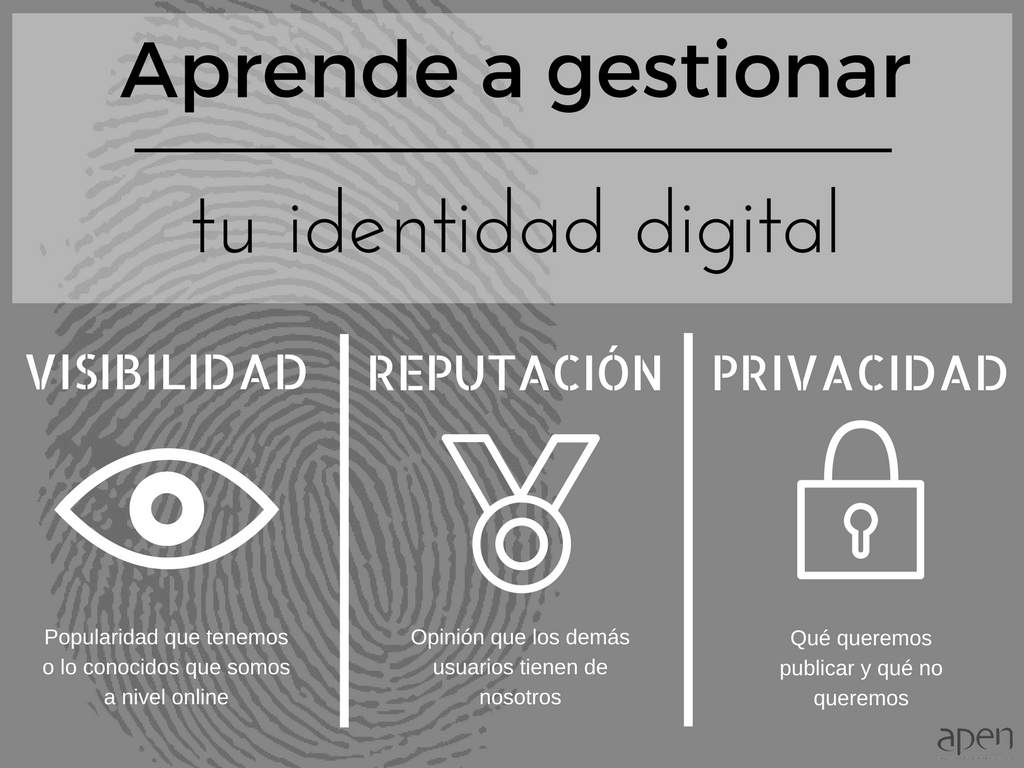
To learn how to manage our digital identity while we are alive, we must be clear on 3 concepts (Visibility, Reputation and PrivacyThis way we can manage our digital footprint more easily.
- Visibility. This refers to our online popularity or reputation. Depending on whether it's a personal or professional digital identity, we may want to be more or less visible. Therefore, we can increase our visibility by using geolocation services and frequently posting content about things that interest us. Or we can make less personal posts, without any additional information.
- Reputation. It refers to the opinion other users have of us and is measured based on the impact of our shared content. Digital reputation influences what we say, where we say it, how we say it, etc. Reputation and visibility are closely related concepts, since visibility enables reputation, and reputation can increase or decrease visibility. To understand our digital visibility or reputation, we have specific tools such as Google Analytics, Howsociable., Mentionmapp either Klout.
- Privacy. This is where we can most directly manage our digital identity, as it's where we define what we want to publish and what we don't, and even who we want to see the information we publish and who we don't. To control and manage our digital identity, it's essential to carefully read the privacy policies.
Some tips for managing your digital identity
- Many individuals, professionals, and companies choose to register domains with their names or brands, attempting to prevent others from acquiring domains that could impersonate them, rank poorly on Google with negative content, or confuse users. Registering .es, .com, and .net domains is advisable.
- It's important to review the settings options of different social networks. In the case of Facebook, for example, we can decide whether we want our content to be shown only to friends, to friends and their friends, or to everyone. This social network also offers options to restrict third-party access to a user's contact information.
- Content publishing! If we publish our own content and maintain a presence on blogs, social networks, or forums, when someone searches for information about us, they will find information managed by us instead of content published by third parties about our business or ourselves.
- The internet offers a platform for the exchange of information and opinions, but that doesn't give legitimacy to those who wish to insult or defame us. If that happens, report it to the appropriate authorities.
- Hire an online tracking service. There are digital agencies that can provide you with a map of your digital identity; this is useful because we don't always know the full reach of our brand, how much it's being discussed, and what content is being published online.