
Our news
How to manage negative comments on social media

When we receive criticism or negative feedback on social media about our company and, therefore, about our brand, managing it isn't easy. But we have an obligation to handle it as effectively as possible, as this will greatly help us enhance our brand image.
When we see a negative review about our company, we quickly become obsessed, but this is a mistake because it makes us forget all the positive comments. It's important to read all the comments and look for solutions, without resorting to drama or anger. Everything depends on how we approach criticism or negative comments, since we can always use them to improve if we treat them as constructive criticism.
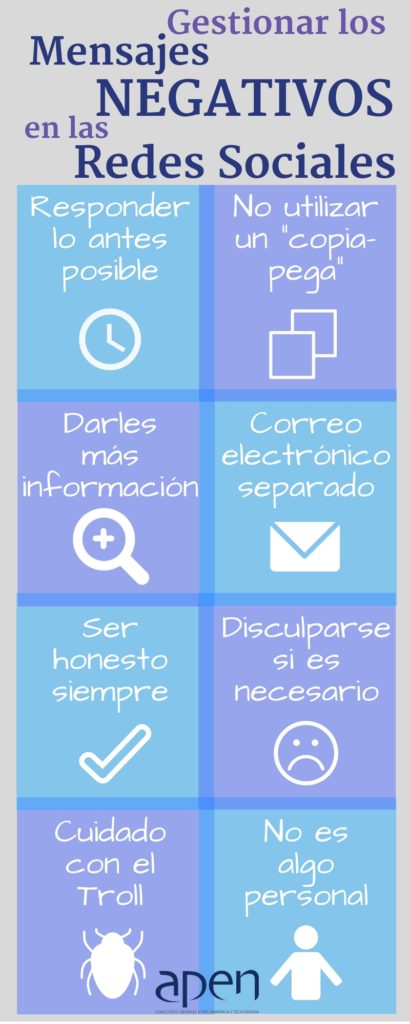 How to respond to negative messages on social media?
Respond quickly but not hastily. We should always respond as soon as possible, but we shouldn't rush into giving an answer. It's best to carefully consider what the most effective, ingenious, creative, or humorous response might be, if the situation allows.
Apologize if necessary. If the negative comment is well-founded and has compelling reasons to be justified, it's always better to apologize than to deny the mistake. This demonstrates that the brand is committed and fair to its users. Furthermore, it's advisable to provide contact information for the user to follow up on the issue.
Be honest. One of the most important things is to be honest and transparent in our social media communications. This will build trust and credibility with followers, who will see that the brand is approachable and doesn't share ambiguous information.
Do not use a copy and sticks. Avoid using a copy-paste response, or a template like "thank you, we'll be in touch." You need to create your own brand style and be more proactive in your response.
Beware of the Troll. If you detect that the negative opinion comes from a troll (a person dedicated to seeking confrontation using an offensive attitude), it is best not to play along, only if you are very sure.
Respond within the first 24 hours. It is essential to respond within the first 24 hours and, if necessary, request the user's contact information privately to resolve any issues in the best way possible.
Request a review from the customer. This means that once a customer is satisfied and the initial problem is resolved, and they are happy with the service provided, it would be beneficial for the company to obtain a current opinion from that same customer, so that users can verify that the problem has been solved.
Be proactive and ask for feedback from satisfied customers. If we incentivize satisfied customers, they will give genuine feedback on our services and/or products, and there is no better advertising than this in the eyes of other users.
Ultimately, it's not difficult; you just need to listen to your users and learn to address complaints or negative comments in an ingenious way. Turn problems into solutions and benefits for the company.