
WHAT IS A TROJAN?
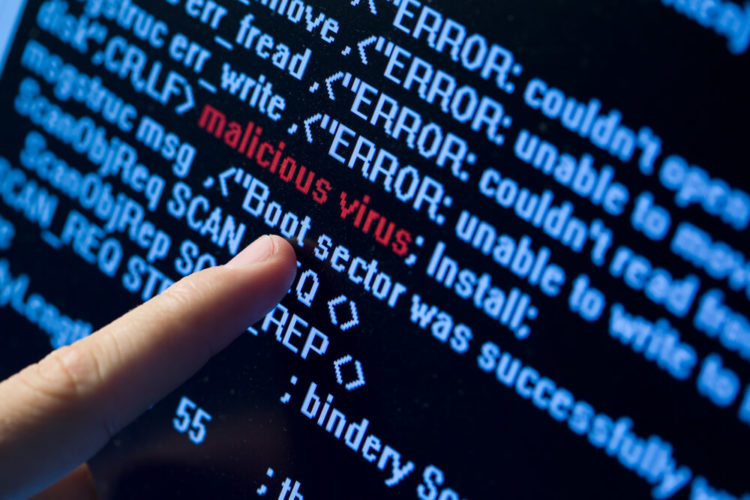
This is malicious software, a type of malware, a type of computer virus that can be dangerous for the user who receives it. In computing, it's called a "Trojan horse" or Trojan horse, and these are considered dangerous because they can delete files or destroy information on the hard drive, as well as forward confidential data to an external address or open communication ports to allow an intruder to remotely access the computer.
Trojans, in most cases, operate remotely under the control of an unauthorized user. Although they don't cause system damage, they can cause other problems, such as the theft of personal data.
Initially, Trojans were a tool designed to cause maximum damage to computers, attempting to format the machine or delete files, but they weren't very successful because they didn't spread on their own. Now, however, cybercriminals have much greater control over this malware, which is capable of stealing banking details, usernames and passwords, or any type of personal information from users. They have even led to the creation of a new category of malware called spyware.
A Trojan horse consists of a client and a server: the client is the module installed on the remote computer, and the server is the module used for remote management. If the Trojan horse's client is hidden, the antivirus software may detect it as a potential virus, or it may not detect it at all.
Unlike other viruses, the goal of a Trojan horse is to give the user the ability to remotely control a computer. Generally, these programs hide within images or multimedia files (audio or video) so they can easily install themselves on the victim's computer, for example, when the user downloads files from the internet.
What is the function of the Trojans?
Computer Trojans are often used to remotely control computers, obtain passwords, spy on computers, damage files, assign passwords to files to bribe users, take screenshots, trick users with social engineering, and ultimately steal user information.
How to detect the Trojan?
In terms of computer security, a Trojan horse can open a so-called "backdoor" on your computer, giving hackers complete access to passwords, documents, etc.
If you suspect you have a Trojan virus, you should disconnect from the internet immediately to block access for potential hackers and then remove it using a specific tool on your PC.
Depending on how the connection between the management program and the resident is made, they can be classified into two types:
- Direct connection: The attacker connects directly to the infected PC using its IP address. The attacking computer is the client, and the victim is the server.
- Indirect connection: The host or victim computer connects to the attacker through an automated process in the malicious software installed on their computer. In this case, the attacker does not need the victim's IP address. To secure the connection, the attacker can use a static IP address or a domain name.
The best course of action is to avoid downloading files from websites of dubious reputation and, above all, to keep your antivirus software up to date. Similarly, to prevent Trojan intrusion, it is advisable to avoid downloading files from websites of dubious reputation and, above all, to keep your antivirus software up to date.
Image source: https://www.mediatrends.es/a/112187/dridex-virus-troyano-robar-dinero-cuenta-corriente/