
Our news
The benefits of automating the warehouse
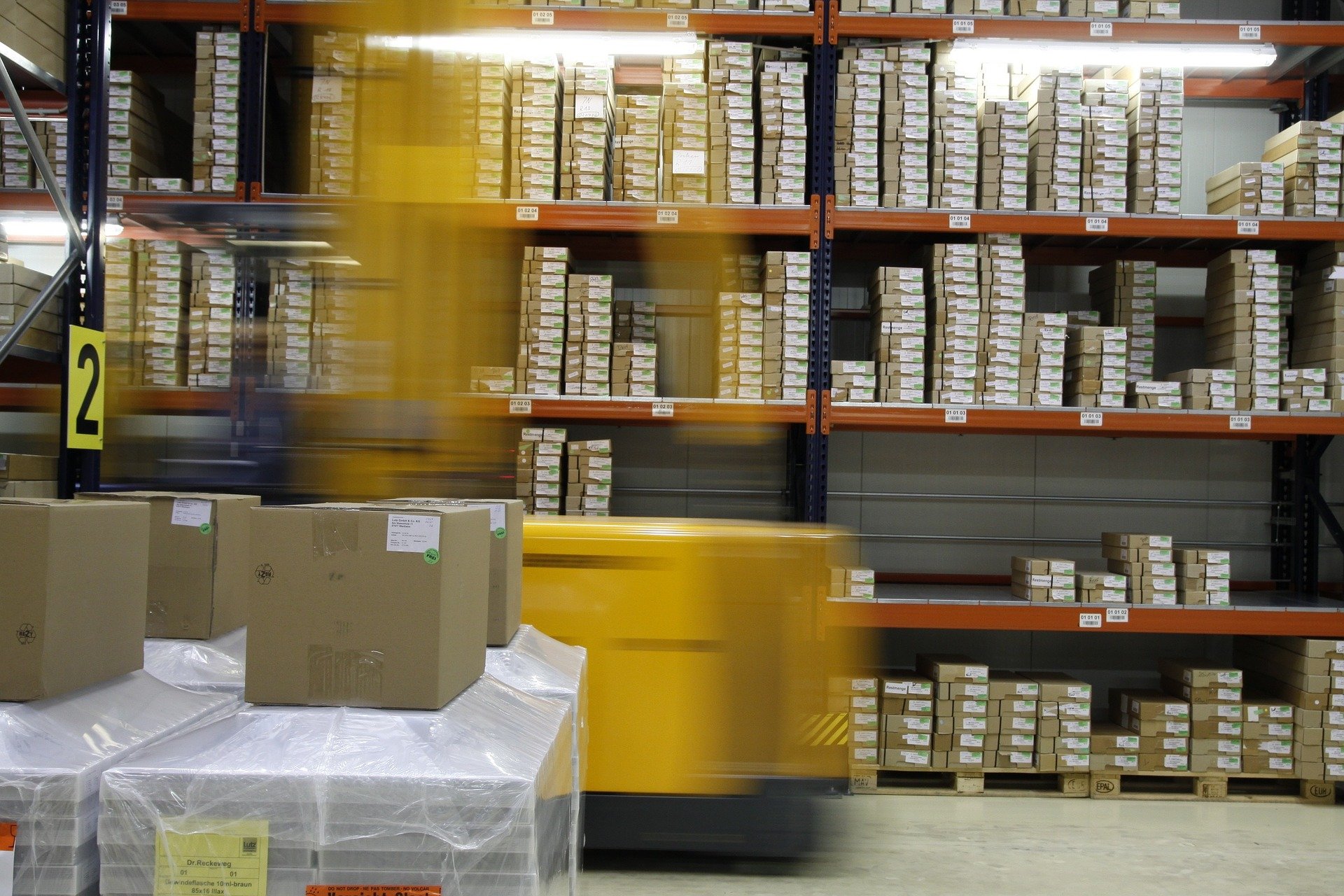
Automate the warehouse This project aims for maximum functionality with minimal human intervention. To achieve this, labor-intensive tasks involving repetitive physical work and manual data entry and analysis can be eliminated.
For example, a warehouse worker can load an autonomous mobile robot with heavy packages. The robot moves the inventory from one end of the warehouse to the shipping area, and the software records the movement of that inventory, keeping all records up to date. These robots improve the efficiency, speed, reliability, and accuracy of this task.
But warehouse automation does not require physical automation or robotics and, in many cases, simply refers to the use of software to replace manual tasks.
Warehouse automation through inventory tracking and warehouse management systems has enormous potential and will be crucial to the evolution of modern warehouse management. Moving products from one place to another with minimal human contact helps create supply chains capable of fulfilling orders quickly and seamlessly. Investing in these advanced machines and devices will help companies continue to meet the ever-increasing expectations of their customers.
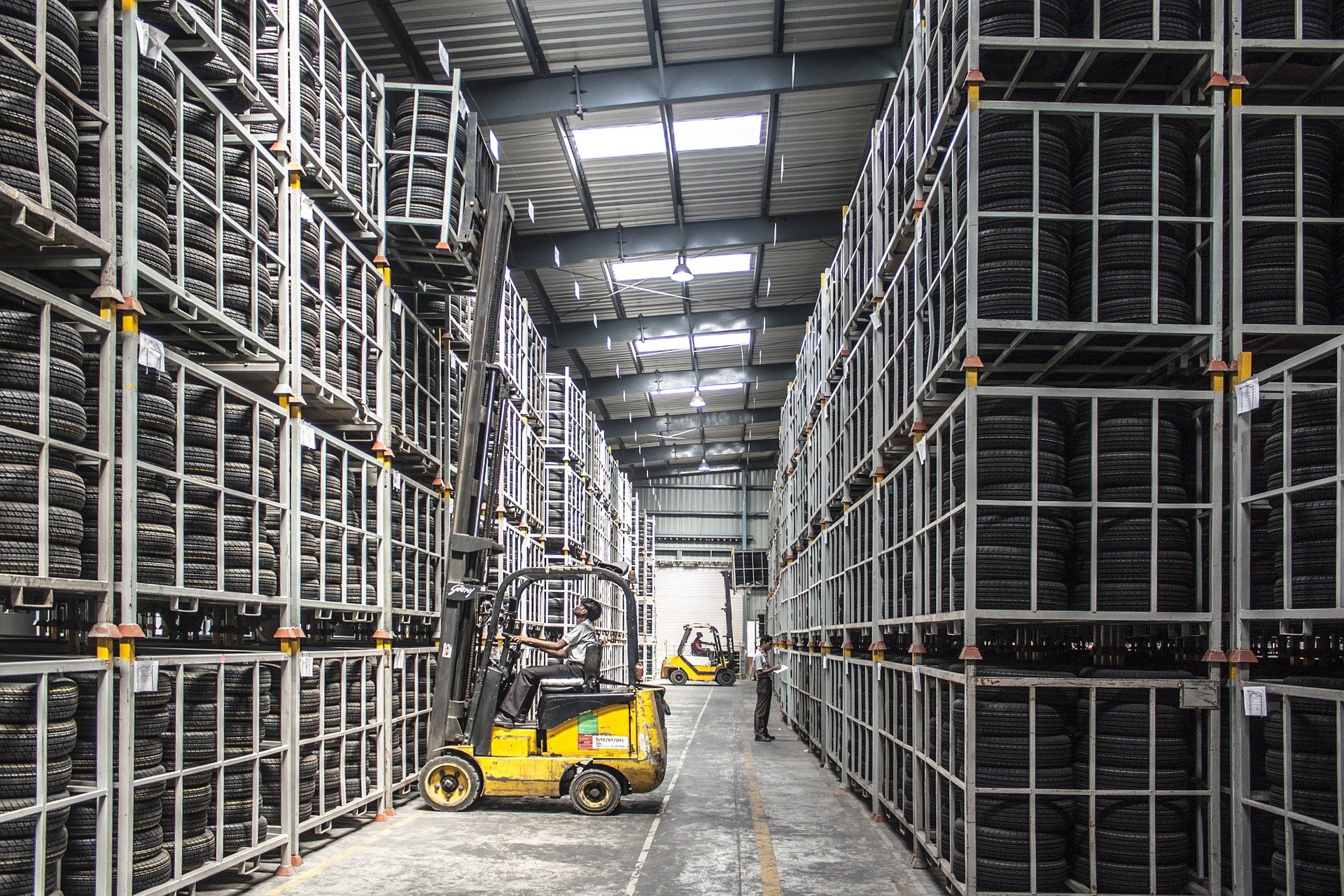
What is the process of automating the warehouse?
Although automate the warehouse It is a process that can have significant initial costs, but there are many benefits, ranging from improved operations to the minimization of human error.
Digital automation uses data and software to reduce manual workflows. Automatic identification and data capture technology, such as mobile barcodes, is an example of digital automation in the warehouse.
Physical automation is a way to use technology to minimize employee movement and create more efficient workflows. The advantages of physical automation include increased warehouse capacity and efficiency, greater reliability and scalability of services, and improved performance. The disadvantages include significant initial expenses, a shortage of skilled labor to operate and maintain the system, high maintenance costs, and equipment designed for very specific functions.
To take advantage of automated storage systems, companies need advanced planning and organization. These systems are best suited for high-volume warehouses and distribution centers with space to house specialized equipment.
Warehouse automation works by using software and technology such as robotics and sensors to automate tasks. These products work in conjunction with existing tools, such as inventory management software.
Warehouse automation ranges from relatively simple to quite complex. Basic automation uses planning, machinery, and vehicles to reduce repetitive tasks. Advanced systems leverage artificial intelligence and robotics.