
WHAT IS CYBERSECURITY?
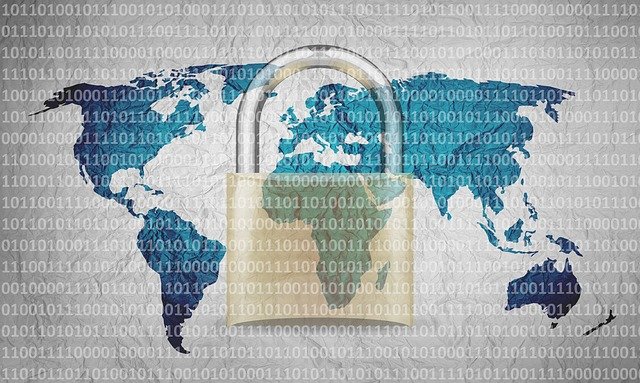
Cybersecurity is the practice of protecting networks, systems, and any other digital infrastructure against malicious attacks, whether on our personal or business equipment.
A robust cybersecurity strategy is becoming increasingly essential, and it's no surprise that banks, technology companies, hospitals, government agencies, and nearly every other sector are investing in cybersecurity infrastructure to protect their business practices and the millions of customers who entrust them with their data. Cybercrime losses are projected to exceed six trillion dollars this year, making investment in cybersecurity more crucial than ever.
A robust cybersecurity strategy comprises multiple layers of protection spread across computers, programs, and networks. Cyberattacks can happen in a matter of seconds, so firewalls, antivirus software, anti-spyware software, and password management tools must work in harmony to thwart cybercriminals.
Similarly, the defense system must be kept constantly updated, as those who try to illegally access systems are surprisingly creative and ingenious, and every day they create new methods to circumvent security.
Cyberattacks come in all shapes and sizes. Some may be overt ransomware attacks (hijacking important business products or tools in exchange for money to release them), while others are covert operations where criminals infiltrate a system to obtain valuable data and are only discovered months later.
One of the most common cybersecurity attacks involves malicious software, which includes spyware, ransomware, and viruses. These typically compromise networks by exploiting vulnerabilities, such as clicking on suspicious email links or installing a malicious application. Once inside a network, malware can steal sensitive information, spread more harmful software throughout the system, and even block access to vital components of the corporate network.
Another very common tactic used by cybercriminals is phishing, which is the process of sending malicious communications (usually emails) designed to appear as if they come from well-known and reputable sources. These emails use the same names, logos, wording, etc., as a CEO or company to allay suspicions and trick victims into clicking on malicious links. Once a phishing link is clicked, cybercriminals gain access to sensitive data such as credit card information, social security numbers, or login credentials.
Every day it becomes more necessary to establish appropriate and up-to-date cybersecurity systems on all our equipment, seeking the help of experts to avoid greater harm.